 Flooring Cost Calculator
Introduction
Choosing between hardwood and luxury vinyl plank flooring is a common decision for homeowners planning a flooring replacement. Both options can create an attractive wood-look interior, but they differ significantly in material composition, moisture resistance, maintenance, durability, installation requirements, repairability, and long-term value.
Hardwood flooring has been used in homes for generations. Made from natural wood, it provides authentic grain patterns, warmth, and character that can be difficult to replicate. One of its greatest advantages is longevity. Depending on the product and condition, hardwood floors can often be sanded and refinished, allowing homeowners to restore their appearance instead of replacing the entire floor.
Luxury vinyl plank, commonly known as LVP, takes a different approach. It is a manufactured flooring product designed to reproduce the appearance of natural wood while providing practical advantages such as moisture resistance and straightforward maintenance. Modern LVP is available in an enormous range of wood-look colors, textures, and plank styles.
The best option depends on your priorities.
If you value authentic natural materials, refinishing potential, and timeless appearance, hardwood may be the better investment. If you prioritize moisture resistance, easy maintenance, and versatility across different rooms, luxury vinyl plank may be the more practical choice.
This guide compares hardwood and luxury vinyl plank flooring in detail to help you determine which material is the right fit for your home, lifestyle, and budget.
Quick Answer
For most homeowners:
- Hardwood offers authentic natural beauty and timeless appeal.
- Luxury vinyl plank generally provides better moisture resistance.
- Hardwood can potentially last for generations with proper maintenance and refinishing.
- LVP is typically easier to maintain and can work in a wider variety of rooms.
- Hardwood generally requires a larger initial investment.
- LVP is often more practical for homes with frequent spills, pets, or moisture concerns.
- Hardwood may offer stronger long-term appeal for homeowners who value natural materials.
- LVP generally cannot be sanded or refinished when the surface becomes significantly worn.
Neither option is universally better.
The right choice depends on where the flooring will be installed, your household lifestyle, your maintenance preferences, and how long you expect to keep the flooring.
What Is Hardwood Flooring?
Hardwood flooring is manufactured from natural wood.
Traditional solid hardwood planks are typically milled from a single piece of timber.
Common wood species include:
- Oak
- Maple
- Hickory
- Walnut
- Cherry
Each wood species has its own characteristics, including:
- Grain pattern
- Natural color
- Hardness
- Texture
- Variation
Hardwood can also be finished in many different colors and styles.
Depending on the product, homeowners may choose:
- Light natural finishes
- Medium wood tones
- Dark stains
- Wide planks
- Narrow planks
- Smooth finishes
- Distressed textures
Because hardwood is a natural material, no two boards are exactly identical.
This natural variation is one of the main reasons many homeowners continue to prefer genuine hardwood.
What Is Luxury Vinyl Plank?
Luxury vinyl plank is a manufactured resilient flooring product designed primarily to imitate the appearance of wood.
A typical LVP product may include:
- Protective wear layer
- Printed design layer
- Core layer
- Backing layer
Some products also include attached underlayment.
The exact construction varies depending on the manufacturer and product line.
LVP is available in designs that reproduce the appearance of:
- Oak
- Walnut
- Hickory
- Maple
- Pine
- Reclaimed wood
- Weathered wood
Modern printing and texturing technology can create highly realistic surfaces.
Some products use embossed textures designed to align with the printed wood grain, helping create a more natural appearance.
However, LVP remains a manufactured product rather than real wood.
Hardwood vs. LVP: Appearance
Hardwood
Hardwood provides authentic natural beauty.
Every plank has naturally occurring variations in:
- Grain
- Color
- Knots
- Texture
The floor can develop additional character as it ages.
Hardwood works well with many interior styles, including:
- Traditional
- Contemporary
- Farmhouse
- Craftsman
- Transitional
- Luxury interiors
Because natural wood has been used in homes for centuries, hardwood tends to maintain a timeless appearance.
Luxury Vinyl Plank
LVP can provide an impressive imitation of natural wood.
Higher-quality products may include:
- Detailed wood grain
- Realistic knots
- Surface texture
- Color variation
- Wide-plank designs
However, because the wood pattern is printed, repeated patterns may occasionally become noticeable across large installations.
Premium products often use a greater number of pattern variations to reduce repetition.
Which Looks Better?
For authentic natural character, hardwood has the advantage.
For homeowners who want a convincing wood appearance combined with practical performance, LVP can be an excellent alternative.
Hardwood vs. LVP: Cost
Cost is often one of the biggest factors influencing the decision.
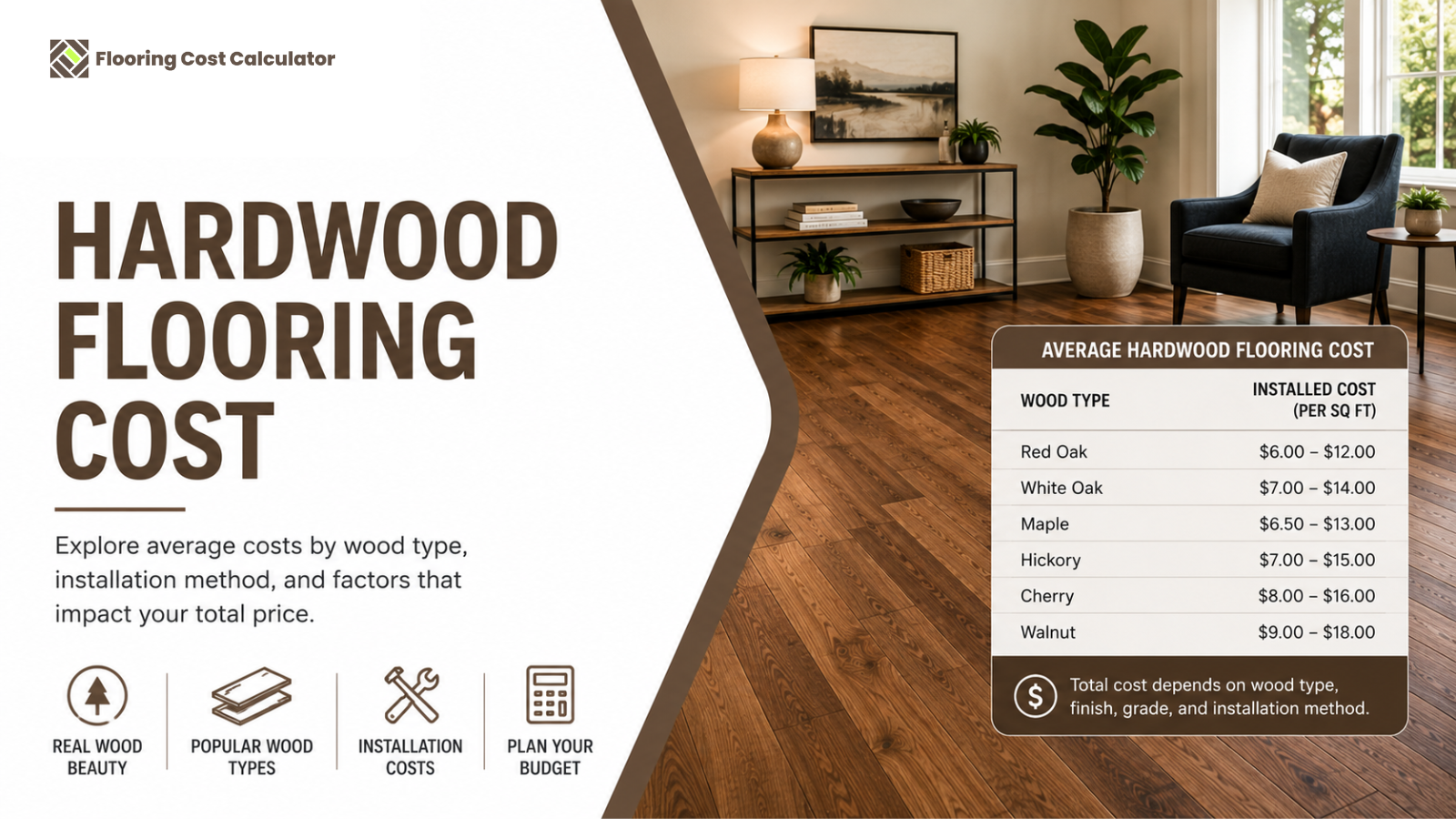
Hardwood generally represents a larger initial investment.
The total price depends on factors such as:
- Wood species
- Plank width
- Grade
- Finish
- Installation method
- Local labor costs
Premium or exotic wood species can significantly increase the material price.
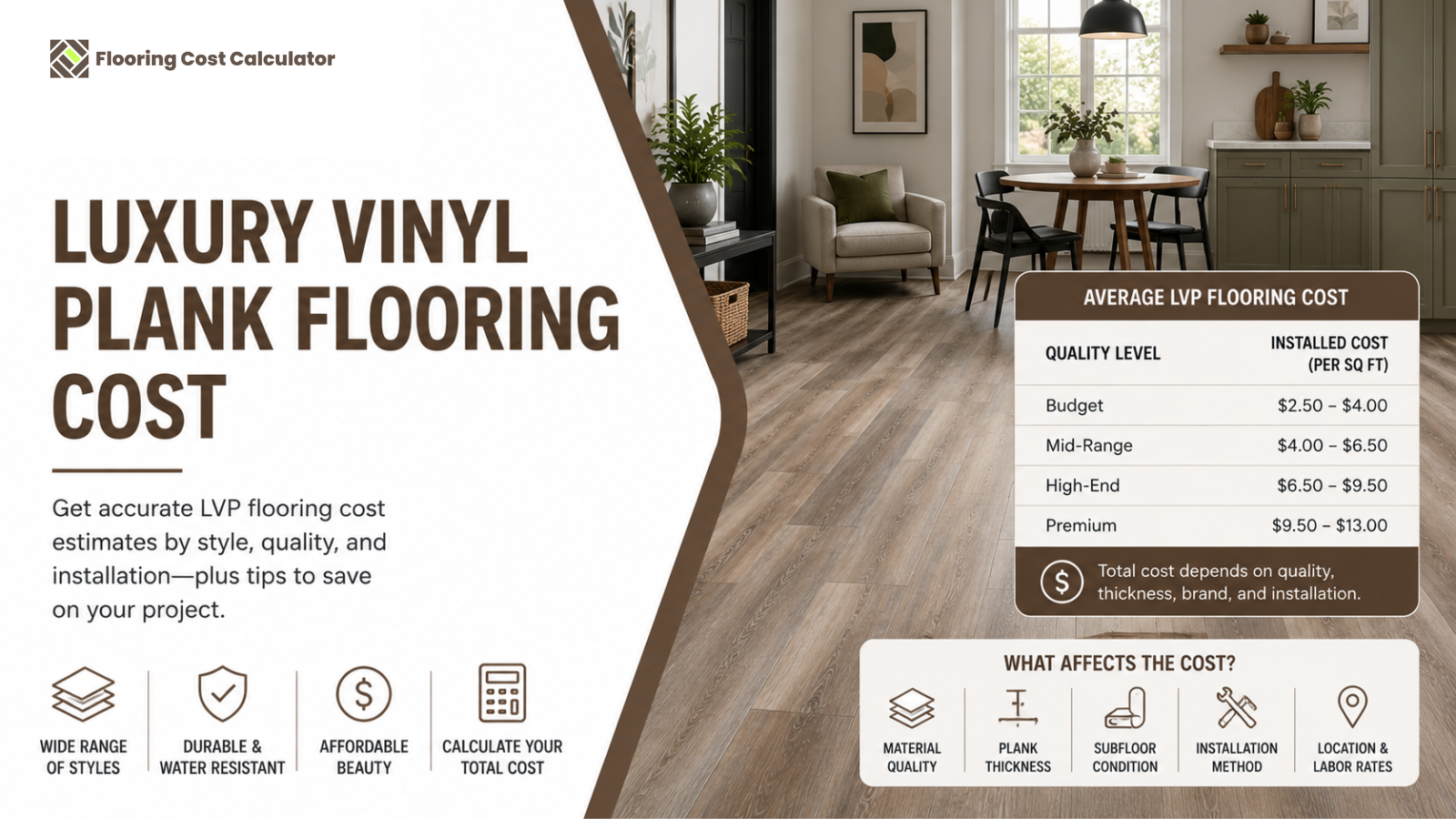
LVP is available across a broad price range, from entry-level products to premium collections.
The total project cost may include:
- Flooring material
- Extra material for waste
- Existing flooring removal
- Disposal
- Subfloor preparation
- Underlayment
- Professional installation
- Baseboards
- Trim
- Transitions
When comparing hardwood and LVP, consider the complete installed cost rather than material prices alone.
Hardwood vs. LVP: Installation
Installation requirements vary significantly between the two materials.
Hardwood Installation
Solid hardwood may be installed using methods such as:
- Nailing
- Stapling
- Gluing
The appropriate method depends on the product and subfloor.
Installation may require:
- Subfloor inspection
- Moisture testing
- Floor leveling
- Acclimation when required
- Expansion space
Hardwood installation generally requires specialized tools and experience.
For many homeowners, professional installation is recommended.
LVP Installation
Depending on the product, LVP may use:
- Click-lock floating installation
- Glue-down installation
Click-lock products can sometimes be installed as DIY projects.
However, the subfloor still needs to be:
- Clean
- Dry
- Stable
- Properly prepared
An uneven subfloor can negatively affect the finished installation.
Which Is Easier to Install?
In general, LVP is easier and faster to install, particularly when using a click-lock floating system.
Hardwood installation typically requires greater skill and may involve more specialized preparation.
Hardwood vs. LVP: Durability
Both materials can be durable, but they respond differently to everyday use.
Hardwood Durability
Hardwood can last for decades when properly installed and maintained.
However, it may develop:
- Scratches
- Dents
- Surface wear
Durability varies depending on:
- Wood species
- Finish
- Household traffic
- Maintenance
The major advantage of hardwood is that many floors can be refinished.
A worn hardwood floor may be sanded and given a new finish, significantly extending its useful life.
LVP Durability
Quality LVP is designed to withstand everyday household traffic.
It may provide strong resistance to:
- Surface wear
- Spills
- Stains
The protective wear layer plays an important role in long-term performance.
However, if the printed design layer becomes significantly damaged, the plank generally cannot be refinished.
Which Is More Durable?
For resistance to everyday moisture and practical household use, LVP may have an advantage.
For total potential lifespan and restoration, hardwood generally has the advantage.
Hardwood vs. LVP: Lifespan
One of the biggest differences between hardwood and LVP is their long-term restoration potential.
A quality hardwood floor may last for many decades.
Depending on its construction and thickness, hardwood may potentially be:
- Sanded
- Refinished
- Repaired
This allows the floor's appearance to be restored multiple times in some cases.
LVP can also provide many years of service, but once the surface becomes significantly worn or damaged, replacement is generally required.
The actual lifespan of either material depends on:
- Product quality
- Installation
- Household traffic
- Maintenance
- Moisture exposure
If maximum potential lifespan is a priority, hardwood generally offers the stronger advantage.
Hardwood vs. LVP: Moisture Resistance
Hardwood
Natural wood can absorb moisture.
Excessive water exposure may contribute to:
- Swelling
- Warping
- Cupping
- Staining
Spills should generally be cleaned promptly.
Solid hardwood is typically not the first choice for rooms with frequent moisture exposure.
LVP
Many LVP products offer excellent moisture resistance.
Some are marketed as waterproof and may be suitable for areas such as:
- Kitchens
- Basements
- Laundry rooms
- Mudrooms
Certain products may also be approved for bathroom installations.
However, waterproof flooring does not make the entire room waterproof.
Water can still potentially travel beneath the flooring and damage the subfloor or surrounding structures.
Winner for Moisture Resistance
Luxury vinyl plank
Hardwood vs. LVP: Scratch Resistance
Both materials can experience scratches.
Hardwood
Hardwood may scratch from:
- Pet claws
- Furniture
- Sand
- Dirt
- Heavy objects
Some wood species are harder than others.
Finishes can also influence surface performance.
The advantage is that many scratches can eventually be addressed through refinishing.
LVP
Quality LVP can provide strong scratch resistance.
However, no vinyl flooring is completely scratch-proof.
Deep scratches may permanently damage the surface.
Unlike hardwood, LVP cannot generally be sanded and refinished.
Which Is Better?
For everyday scratch resistance, a quality LVP product can perform very well.
For long-term restoration after significant wear, hardwood has the advantage.
Hardwood vs. LVP for Pets
Pet owners often prioritize:
- Scratch resistance
- Moisture resistance
- Easy cleaning
- Durability
Hardwood With Pets
Hardwood can work in homes with pets, but claws may create visible scratches.
Water bowls and pet accidents should also be cleaned promptly.
Some homeowners accept scratches as part of the natural aging process of wood.
LVP With Pets
LVP is often considered a practical pet-friendly option because it can offer:
- Good scratch resistance
- Excellent moisture resistance
- Easy cleaning
The actual performance depends on the quality of the product and its wear layer.
Winner for Pets
For many pet-owning households, LVP is the more practical choice.
Hardwood vs. LVP for Families With Children
Children can expose flooring to:
- Spills
- Dropped toys
- Heavy activity
- Dirt
- Frequent cleaning
LVP's moisture resistance and straightforward maintenance can make it particularly practical for busy families.
Hardwood remains durable but may develop scratches and dents over time.
However, hardwood offers the advantage of potential refinishing.
For families prioritizing low-maintenance everyday performance, LVP may be preferable.
For homeowners prioritizing long-term natural materials and restoration potential, hardwood may be worth the additional care.
Hardwood vs. LVP: Comfort Underfoot
Both hardwood and LVP can provide comfortable walking surfaces.
Hardwood
Natural wood generally feels warmer than materials such as ceramic or porcelain tile.
It also provides a solid, substantial feel underfoot.
LVP
LVP may feel slightly softer or more resilient depending on:
- Product construction
- Core
- Attached backing
- Underlayment
Some homeowners find LVP comfortable for areas where they stand for long periods.
Winner
This largely depends on personal preference.
Hardwood provides natural warmth, while LVP may provide slightly more resilience.
Hardwood vs. LVP: Noise
The sound of flooring can vary significantly depending on installation.
Hardwood typically provides a solid sound when properly installed.
Floating LVP may produce a different sound when walked on.
Acoustic performance depends on:
- Subfloor
- Installation method
- Underlayment
- Product construction
Some LVP products include attached acoustic backing.
If noise reduction is important, particularly in multi-story homes or apartments, compare the acoustic specifications of the complete flooring system.
Hardwood vs. LVP: Maintenance
Both materials are relatively straightforward to maintain, although hardwood generally requires more careful moisture management.
Hardwood Maintenance
Routine care may include:
- Sweeping
- Vacuuming with appropriate attachments
- Cleaning with wood-approved products
- Wiping spills promptly
- Using furniture pads
Over time, hardwood may also require:
- Finish renewal
- Professional refinishing
LVP Maintenance
Routine maintenance generally includes:
- Sweeping
- Vacuuming
- Damp cleaning with approved products
- Cleaning spills
LVP generally requires no sanding or refinishing.
Winner for Easy Maintenance
Luxury vinyl plank
Hardwood vs. LVP: Repairability
Repairability is an important long-term consideration.
Hardwood
Damaged hardwood may sometimes be repaired by:
- Replacing individual boards
- Repairing surface damage
- Sanding
- Refinishing
This restoration potential is one of hardwood's strongest advantages.
LVP
Damaged LVP planks may sometimes be replaced individually.
The difficulty depends on the installation system.
For floating floors, reaching a damaged plank may require removing surrounding flooring.
For glue-down installations, localized replacement may be possible.
Keeping extra planks after installation is highly recommended.
Winner for Long-Term Restoration
Hardwood
Hardwood vs. LVP in the Kitchen
Kitchens experience:
- Spills
- Heavy traffic
- Food debris
- Frequent cleaning
- Potential plumbing leaks
Hardwood can create a beautiful, continuous appearance when the kitchen connects with living and dining areas.
However, spills need prompt attention.
LVP generally provides greater moisture resistance and easier maintenance.
Winner for Practicality
Luxury vinyl plank
Winner for Natural Appearance
Hardwood
Hardwood vs. LVP in the Bathroom
Bathrooms present frequent moisture concerns.
Solid hardwood is generally not the preferred choice for bathrooms.
Certain LVP products may be approved for bathroom installations.
Always verify the manufacturer's specifications.
Winner
Luxury vinyl plank, when the selected product is approved for bathroom use.
Hardwood vs. LVP in the Living Room
Both materials can work exceptionally well in living rooms.
Hardwood
- Natural beauty
- Timeless appearance
- Long-term restoration potential
LVP
- Easy maintenance
- Durability
- Lower initial cost in many cases
Winner
For premium natural appearance and longevity, hardwood.
For practical everyday performance and affordability, LVP.
Hardwood vs. LVP in Bedrooms
Bedrooms are relatively low-moisture environments.
Hardwood works particularly well because of its:
- Warm appearance
- Natural character
- Longevity
LVP can also provide an attractive and lower-maintenance alternative.
Area rugs can add additional softness to either floor.
Winner
For homeowners prioritizing natural materials, hardwood.
For homeowners prioritizing budget and easy maintenance, LVP.
Hardwood vs. LVP in Basements
Basements may experience:
- Concrete slab moisture
- Humidity
- Water intrusion
Solid hardwood is generally not the first choice for below-grade installations.
Many LVP products are designed for below-grade use.
However, existing moisture problems should always be addressed before flooring installation.
Winner for Basements
Generally, luxury vinyl plank, assuming the product is approved for below-grade installation.
Hardwood vs. LVP for Whole-House Flooring
Both materials can be used across large portions of a home.
Hardwood is particularly attractive for continuous installations through:
- Living rooms
- Dining rooms
- Bedrooms
- Hallways
LVP may offer greater versatility across:
- Living rooms
- Kitchens
- Bedrooms
- Hallways
- Basements
Some homeowners choose hardwood for primary living spaces and use moisture-resistant materials in bathrooms and other wet areas.
Others choose LVP throughout most of the home to create visual continuity while simplifying maintenance.
Hardwood vs. LVP: Home Value
Hardwood has a long-standing reputation as a premium flooring material.
Many homebuyers appreciate:
- Authentic natural wood
- Timeless design
- Long lifespan
- Refinishing potential
High-quality LVP can also improve a home's appearance, particularly when replacing outdated or damaged flooring.
Modern LVP may appeal to buyers seeking:
- Easy maintenance
- Moisture resistance
- Contemporary design
However, LVP is generally not considered equivalent to genuine hardwood from a material standpoint.
The impact on home value depends on:
- Property location
- Home price range
- Buyer expectations
- Installation quality
- Flooring condition
For premium homes, buyers may expect natural materials such as hardwood.
For many everyday homes, quality LVP can still provide strong practical and visual appeal.
Hardwood vs. LVP: Long-Term Value
Long-term value requires looking beyond the initial installation price.
Consider:
- Material cost
- Installation
- Maintenance
- Repairs
- Expected lifespan
- Refinishing
- Replacement
Hardwood may cost more initially but can potentially remain in the home for decades.
LVP may offer a lower initial investment and lower maintenance requirements but will eventually require replacement once significantly worn.
The better value depends on how long you plan to own the home and how the flooring will be used.
Environmental Considerations
Homeowners interested in environmental impact should evaluate individual products rather than assuming one flooring category is always more sustainable.
For hardwood, consider factors such as:
- Wood sourcing
- Forestry certification
- Product lifespan
- Refinishing potential
For LVP, consider:
- Product composition
- Manufacturer practices
- Indoor air quality certifications
- Product lifespan
- Recycling options
A long-lasting product that does not require frequent replacement may provide advantages over time.
Review manufacturer information and third-party certifications when environmental performance is a priority.
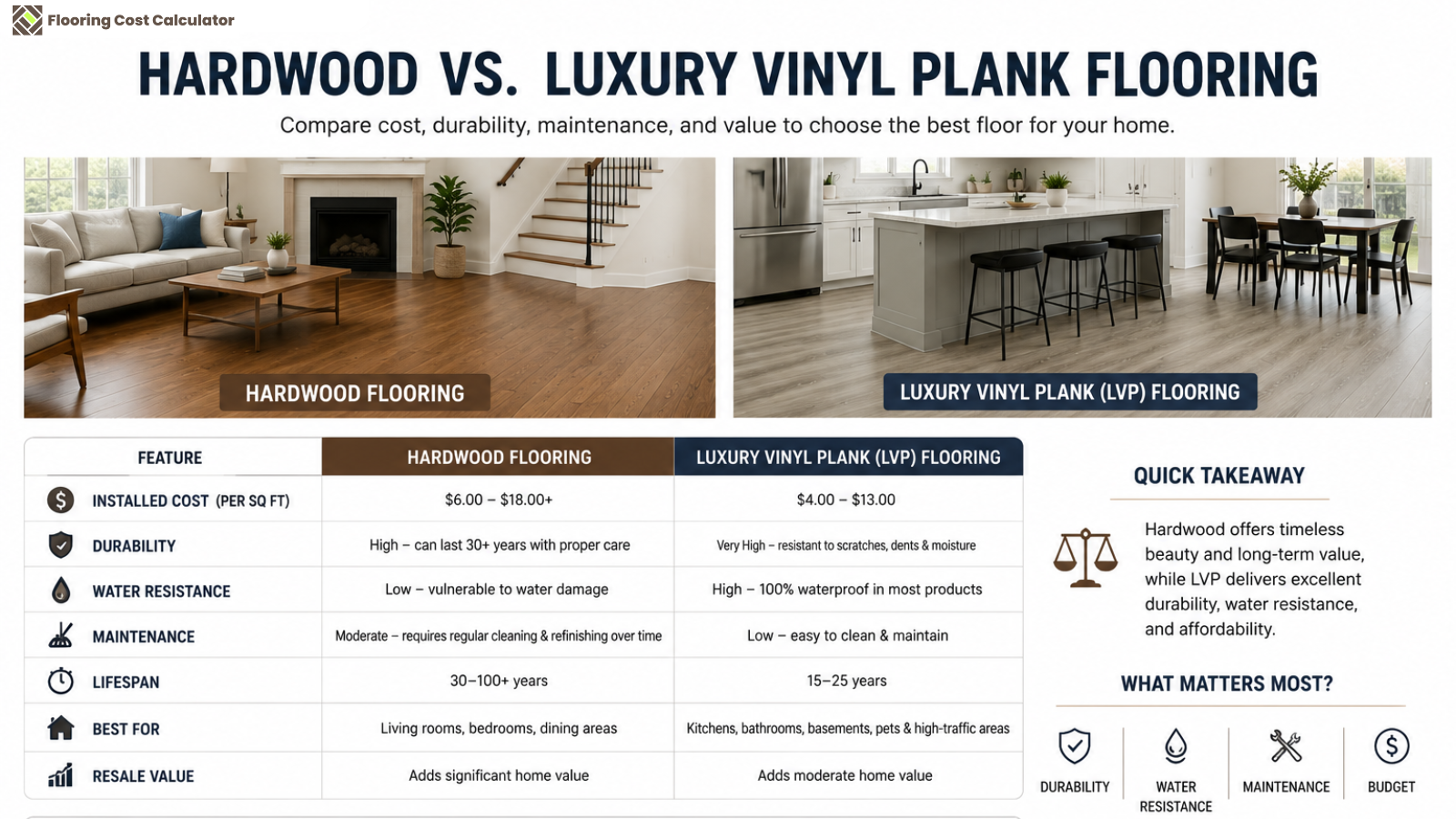
Hardwood vs. Luxury Vinyl Plank at a Glance
| Feature | Hardwood Flooring | Luxury Vinyl Plank |
|---|---|---|
| Material | Natural Wood | Manufactured |
| Appearance | Authentic and Timeless | Realistic Wood Look |
| Moisture Resistance | Limited | Excellent for Many Products |
| Durability | Excellent | Very Good to Excellent |
| Scratch Resistance | Varies | Very Good |
| Maintenance | Low to Moderate | Low |
| Refinishing | Often Possible | No |
| Repairability | Excellent | Good |
| Pet-Friendly | Good | Excellent |
| Kitchen Suitability | Good with Care | Excellent |
| Bathroom Suitability | Generally Limited | Product-Dependent |
| Basement Suitability | Generally Limited | Often Excellent |
| Installation Difficulty | Moderate to High | Low to Moderate |
| DIY-Friendly | Less Often | Often |
| Potential Lifespan | Excellent | Good to Very Good |
| Natural Material | Yes | No |
| Long-Term Value | Excellent | Very Good |
These comparisons are general. Product quality, installation method, and manufacturer specifications can significantly affect performance.
Common Mistakes When Choosing Between Hardwood and LVP
Homeowners can avoid expensive mistakes by considering more than appearance.
Common mistakes include:
- Choosing based only on initial price.
- Ignoring moisture exposure.
- Assuming all LVP is waterproof.
- Installing solid hardwood in inappropriate locations.
- Ignoring subfloor preparation.
- Choosing low-quality products to reduce short-term costs.
- Forgetting installation expenses.
- Failing to consider pets and children.
- Ignoring maintenance preferences.
- Assuming LVP can be refinished.
- Overlooking hardwood's long-term restoration potential.
- Failing to keep extra material for repairs.
The right flooring should fit both the room and your lifestyle.
Questions to Ask Before Choosing
Before deciding between hardwood and LVP, ask yourself:
- What is my total project budget?
- Which rooms am I renovating?
- Is moisture a concern?
- Do I have pets?
- Do I have children?
- How much maintenance am I comfortable performing?
- How important are natural materials?
- How important is authentic wood appearance?
- Do I want flooring that can be refinished?
- How long do I plan to remain in my home?
- Is DIY installation important?
- What are buyer expectations in my local market?
Your answers can help identify which flooring provides the better fit.
Frequently Asked Questions
Is hardwood better than luxury vinyl plank?
It depends on your priorities.
Hardwood offers authentic natural beauty, refinishing potential, and exceptional longevity.
LVP offers excellent moisture resistance, straightforward maintenance, and versatility.
Neither is universally better.
Which is more expensive, hardwood or LVP?
Hardwood generally has a higher initial material and installation cost.
However, premium LVP can also represent a significant investment.
Compare total installed costs for the specific products you are considering.
Which lasts longer?
Hardwood generally has greater potential longevity because many hardwood floors can be refinished.
LVP cannot typically be refinished and eventually requires replacement when significantly worn.
Which is better for pets?
LVP is often considered more practical for pet owners because of its moisture resistance and easy cleaning.
Quality LVP can also provide good scratch resistance.
Which is better for kitchens?
Both can work.
LVP generally provides stronger moisture resistance, while hardwood offers a premium natural appearance.
Which is better for bathrooms?
Between these two options, appropriately rated LVP is generally the better choice.
Solid hardwood is usually not recommended for rooms with frequent moisture exposure.
Does LVP look like real hardwood?
High-quality LVP can provide an impressive wood-look appearance.
However, hardwood is genuine wood and offers natural grain variation that printed flooring cannot completely duplicate.
Can hardwood be refinished?
Many hardwood floors can be sanded and refinished, depending on their thickness and condition.
This is one of hardwood's major long-term advantages.
Can LVP be refinished?
No.
Significantly damaged or worn LVP planks generally need to be replaced.
Does hardwood add more home value?
Hardwood is often viewed as a premium flooring material and may have stronger buyer appeal in certain markets and higher-value homes.
However, the actual impact depends on local buyer preferences, property type, and installation quality.
Is LVP good for an entire house?
LVP can be suitable for many rooms, depending on the specific product.
Its moisture resistance makes it particularly versatile.
Always verify manufacturer requirements for each installation area.
Should I keep extra flooring?
Yes.
Whether you choose hardwood or LVP, keeping extra planks can make future repairs easier.
Matching a discontinued flooring product several years later can be difficult.
Final Verdict
Hardwood and luxury vinyl plank flooring both offer attractive benefits, but they are designed for homeowners with different priorities.
Hardwood flooring is an excellent choice if you value authentic natural materials, timeless appearance, long-term durability, and the potential to restore the floor through refinishing. It is particularly well suited for living rooms, dining rooms, bedrooms, and other relatively dry areas where its natural beauty can become an important part of the home's interior design.
Luxury vinyl plank is an excellent choice if you prioritize moisture resistance, easy maintenance, practical durability, and versatility. It can be particularly useful in busy households, homes with pets, kitchens, basements, and other areas where everyday spills and moisture may be concerns.
Hardwood generally requires a larger initial investment but may provide exceptional long-term value because of its potential lifespan and refinishing capabilities.
LVP may provide a more affordable and practical solution, particularly for homeowners who want a convincing wood-look floor without the same maintenance considerations associated with natural wood.
Ultimately, the best choice depends on your home, lifestyle, budget, and long-term plans.
Final Thoughts
Choosing between hardwood and luxury vinyl plank requires looking beyond which flooring looks best in a showroom.
Consider how the floor will perform in your everyday life.
If you want authentic wood that can potentially remain in your home for decades and you are comfortable with the additional care natural flooring may require, hardwood can be an outstanding long-term investment.
If you want a versatile floor that can handle moisture, frequent cleaning, pets, children, and busy household activity with relatively simple maintenance, luxury vinyl plank may be the more practical solution.
Before making your final decision, obtain samples and compare them inside your home. Look at each option under natural daylight and artificial lighting. Consider how the flooring coordinates with your cabinets, walls, furniture, and adjacent rooms.
You should also compare the complete installed cost of each option. Your final project budget may include flooring removal, disposal, subfloor preparation, underlayment, professional installation, trim, transitions, and additional material for cuts and waste.
Before requesting contractor estimates, use the Flooring Cost Calculator on the homepage to estimate your project's cost based on your room size, selected flooring material, and state. A personalized estimate can help you compare hardwood and luxury vinyl plank costs, establish a realistic budget, and choose the flooring option that provides the right balance of appearance, durability, maintenance, functionality, and long-term value for your home.